English▼


Sitio Blog
Línea automática de máquinas de fabricación de producción de celdas cilíndricas
fabricación y equipo de laboratorio de baterías li-ion 18650
Diagrama de flujo de celda de moneda de iones de litio y lista de máquinas
fabricación y equipo de laboratorio de baterías de bolsa de iones de litio
diciembre de 2016 aceptación de la fábrica del cliente de EE. UU. de la máquina apiladora automática
en contacto con nosotros
- Si usted tiene preguntas, póngase en contacto con nosotros, se responderán todas las preguntas
- Correo electrónico : David@tmaxcn.com
- Correo electrónico : Davidtmaxcn@gmail.com
- Añadir : No. 39, Xinchang Road, Xinyang, Haicang Dist., Xiamen, Fujian, China (Mainland)
productos calientes
Blog
18650 Battery Pack Builder for 18650 and 21700 Cylindrical Cells
Modern Lines
Engineering teams scaling cylindrical pack manufacturing often struggle with poor cell consistency, slow changeover times, and unreliable weld joints. Sourcing the right assembly machinery directly impacts scrap rates and capital payback. Are your target run rates being choked by manual assembly bottlenecks? Evaluating a dedicated 18650 battery pack builder requires balancing throughput requirements with automation levels, footprint constraints, and process validation. This operational review outlines the essential equipment parameters, station integrations, and integration standards necessary to build high-yield production lines.
Automated Cell Grading and Insulation Preparation
Cylindrical cell production starts with precise input sorting. Variations in open-circuit voltage and internal resistance undermine long-term pack life. An industrial sorting unit tests each cell at high speeds, sending mismatched units into separate rejection channels. Automated sorting reduces labor overhead while protecting downstream modules from thermal imbalance.
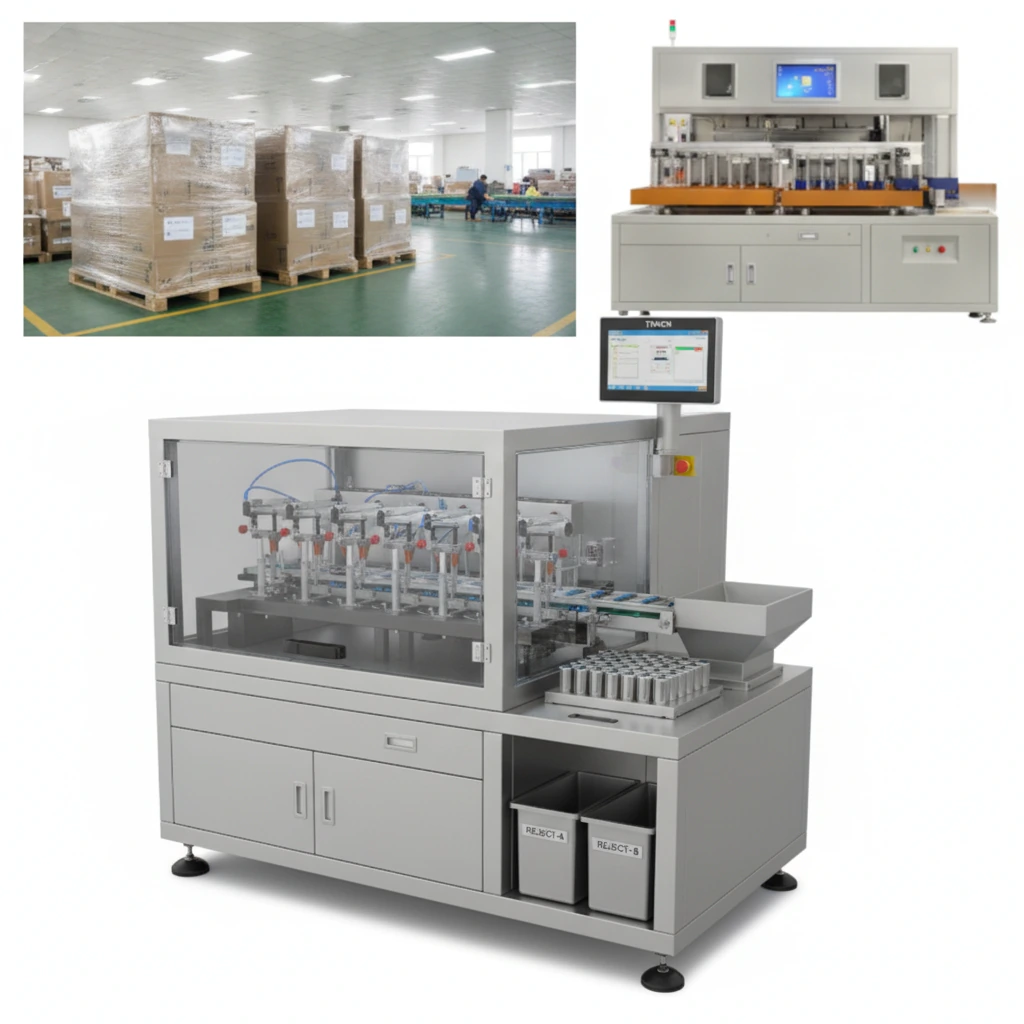
Once sorted, cells move toward terminal insulation. Applying adhesive barley paper prevents short circuits between nickel strips and negative edges. Integrating automated paper sticking within the front end of your setup maintains steady takt time. Consistent paper placement also protects cells during high-speed pick and place handling.
Precision Interconnection and Spot Welding
Resistance welding defines pack durability under mechanical vibration. A dependable welder must deliver consistent current pulses to nickel strips without creating excessive heat zones that damage internal cell seals. Pneumatic or servo-driven welding heads track cell arrays based on programmed coordinate tables, achieving repeatable spot geometry across every module.
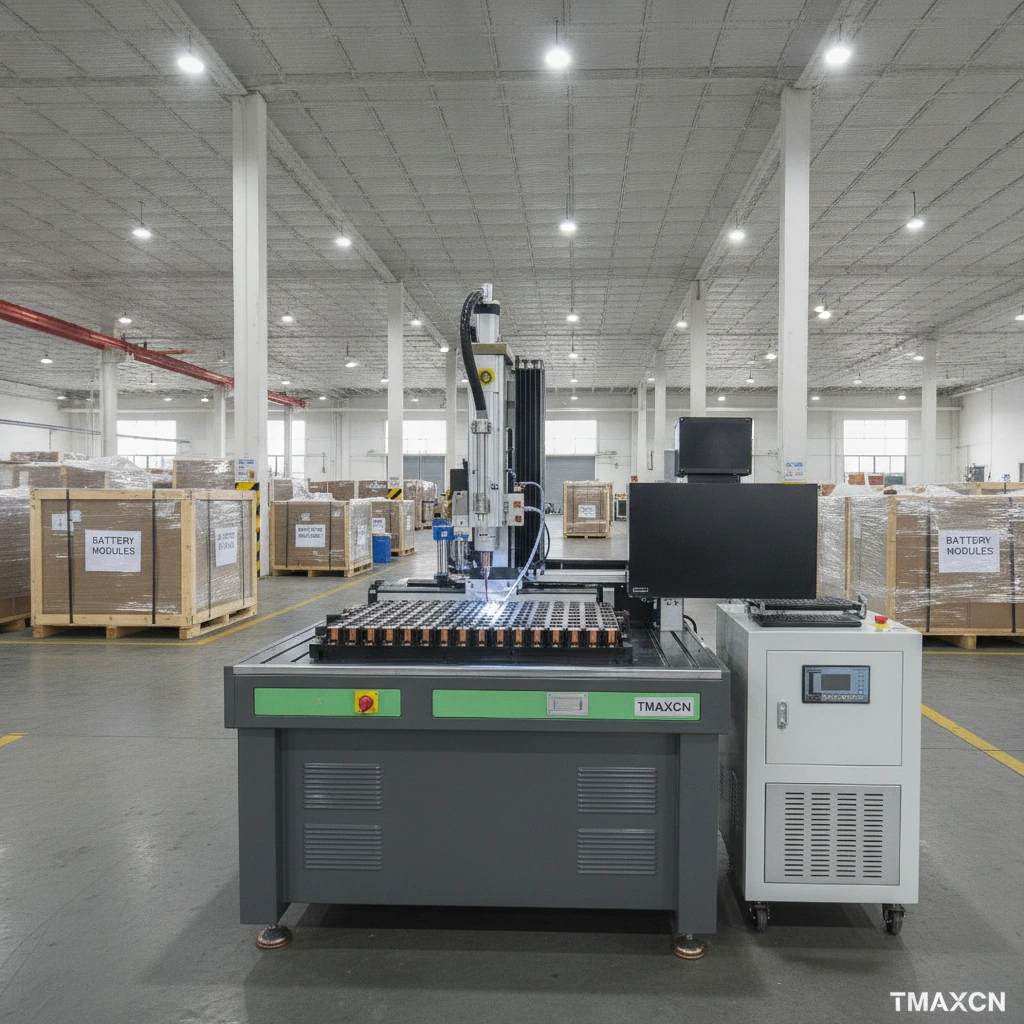
Modern lines frequently implement CCD visual inspection directly after welding. Optical cameras evaluate weld indentations, missing spots, and ribbon alignment in real time. If your operation demands higher amperage output, explore specialized featuring integrated laser welding units for thicker busbars. Real-time visual tracking catches structural defects before cells reach permanent housing.
End of Line Quality Validation
Assembled modules must pass comprehensive electrical validation before final delivery. Testing stations connect directly to the battery management system (BMS) connectors. Engineers run diagnostic checks on voltage protection, current limits, temperature sensors, and internal resistance.
Following initial BMS verification, packs enter automated charge and discharge cycling racks. This aging cycle stabilizes electrochemical performance and detects latent micro-shorts under continuous load. Completing these validation routines through an integrated ensures full traceability across production batches. Systematic burn-in testing remains the most dependable method to prevent costly field returns.
FAQ
Can a single builder setup support different pack configurations?
Flexible gantry programming and adjustable fixtures allow tooling changes across diverse series-parallel layouts. Operators swap cell trays and recall predefined coordinate recipes from the PLC screen within minutes, accommodating evolving energy storage or light mobility projects.
How does a turnkey battery pack solution minimize commissioning delays?
Sourcing interconnected sorting, welding, and testing machines from a single supplier eliminates interface mismatches. Factory pre-wiring, aligned communication protocols, and standardized mechanical handoffs ensure rapid floor installation and faster ramp up to full operational capacity.
 +86 13174506016
 David@tmaxcn.com